


Signs and Symbols: An Artist’s Vocabulary
Artwork Tells Its Artist’s Story
When I was in high school, my mom and I took a trip Back East to look at potential colleges. At one, somewhere deep in the woods of Connecticut, I saw a painting by the school’s art professor that sticks with me to this day.
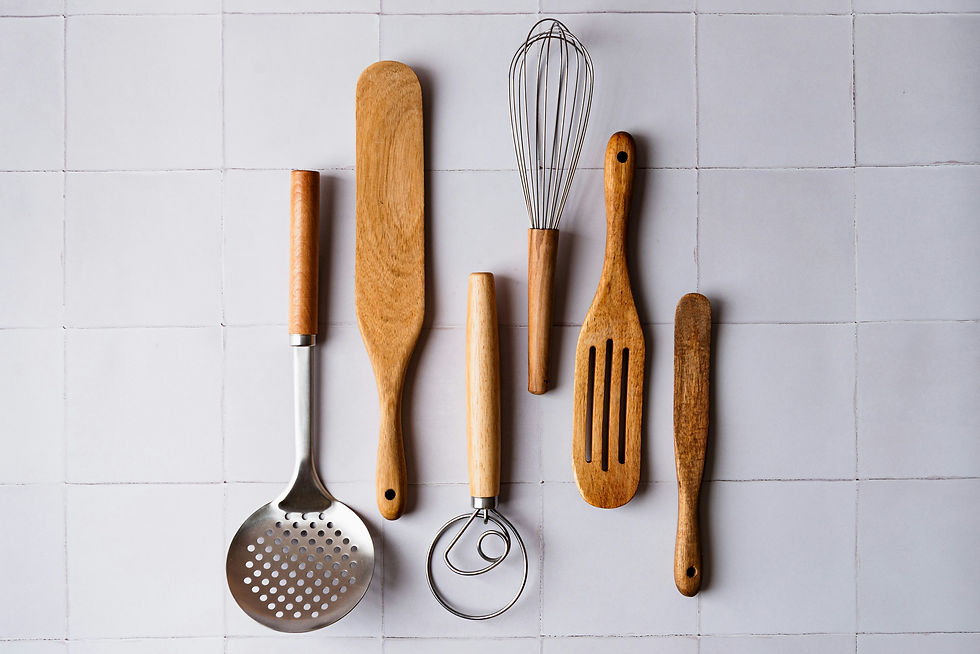
The canvas was large, maybe four feet by five. The entire surface was soaked in a juicy pink lemonade color, applied thickly, in the impasto technique. Upon this shocking background were ordinary items you’d find in most people’s kitchens: cooking spoons, oven mitts, a refrigerator, a chair, all whirling around the canvas as if impelled by a tornado. I didn’t know the artist, but I knew about the artist through her choice of color, its application, and the objects she chose to represent on the canvas. The symbols she chose told her story, without her having to say a word.

As a young person, I wanted to be a painter. I loved looking at paintings, marveling over how a universe could come into being through slippery paint and a stick with hairs bound together on one end. I revered painting as the “highest” form of fine art, along with sculpture, of course, as that’s how it’s taught in the Western canon, and I aimed High. After seeing a painting like the one in Connecticut, I retreated from that aim, intimidated. What did I have to paint about? What was there to communicate about… me?
That anxiety was one of the reasons I turned to making jewelry.
Jewelry as Symbol
Jewelry sits at the intersection between something “pretty” and something meaningful. An object experienced so intimately by its wearer takes on emotional energy. And of course, jewelry often arrives with emotional weight, as it is frequently given as a gift to commemorate an important achievement or lifecycle event. Add to that the commercial value of materials like precious metals, diamonds, pearls, or rare gemstones, and you have the trifecta of meaning.
Making jewelry allowed me to piggyback on an already established value, absolving me of having to dig deep to even find my story, much less tell it out loud.
This, I could handle. Hiding behind jewelry’s function, rather than getting real about myself seemed like a much safer option than painting.
Learning to Listen
As I moved farther along my path, however, I began to notice my own vocabulary taking shape without deliberate thought, right through my fingertips. Despite my intention to hide, shapes, materials, gemstones and techniques surfaced again and again in my jewelry designs. Instead of objects in paint, I saw these elements develop into the shorthand I use to share my story with you.
You may already know the story of how my maternal grandmother taught me to knit, which opened the door to my love of working with my hands. Her tutelage forever linked the comfort of familial love with the concept of handmade objects in my mind and heart. Eventually, I developed the technique of crocheting in metal I still use today. But I didn’t notice until recently how much of my personal story is revealed in the work or how much the process of making my work shaped my story.
When I started Uncommon Threads, I just loved how the crocheted loops looked in silver and gold. I could make them look soft and round, like a cuddly boucle sweater, or straight like upright blades of grass in a field. I thought I was so smart, using traditionally hard materials like metal in this soft way. Indeed, looking like a smart artist, rather than a flighty one, was important to me- check! Using my materials in unexpected ways was also a value of mine- check! My love of fashion, inherited from my paternal grandmother, was also showing up in this pursuit, bringing both of my foremothers into the work- check! And check!
Closeup of loopy stitches on fuzzy pink mohair sweater sleeve. 
One of a Kind Cuff Green upright blades of grass. 
The Grid Pin/Pendant
As my collection developed, I began to notice a Zen-like calm that overcame me as I worked. Crocheting in metal brought me into a flow state, a place of calm where the outside world grew quiet and a sense of peace began to rise. Ironically, customers seeing my work would often remark on “how patient” I must be to crochet in metal. Ha- little did they know! Outside the studio I was incredibly impatient, even impulsive. It was the work that was bringing out my better qualities.
Through my jewelry-making process, I was discovering a new, more expansive sense of self. My story was unfolding on its own. When I allowed myself to get quiet and listen to the process, I felt supported, soothed from my fears and anxieties. Reveling in Process gave me confidence to be myself, own my successes and missteps- tell my story.
I wonder if this was how that painter felt. The whirling energy of her stunning work felt so angry and chaotic- part of what I admired about it so much. Perhaps she was angry. Or perhaps she banished the chaos by painting it.
I often revisit that day in my mind, asking myself what my art would be like if I had attended that college and worked with that professor. Maybe I would have found my artistic voice sooner, in thick color on canvas, a fat brushstroke to hide behind. Or maybe not. Perhaps I would have remained in hiding from myself, too frightened to get quiet and work. We all owe ourselves that opportunity. Everyone’s story matters.
-xo

Comments